Recycle India Foundation
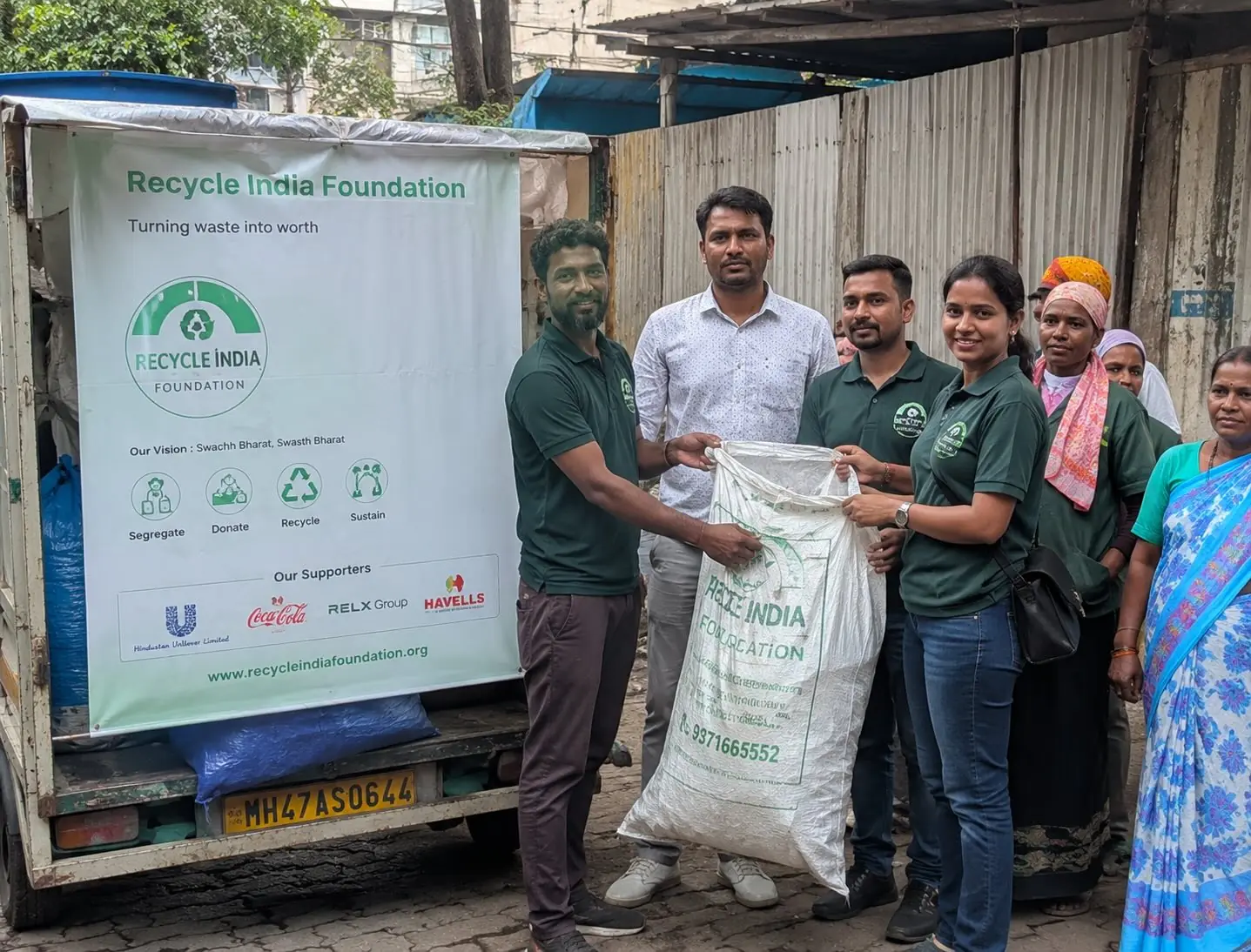
Regular contributions support community-led waste collection, recycling and responsible waste management, diverting waste from landfills.
Post-consumer waste returns as food-grade resin, woven fabric and finished goods, so what Chemco sold becomes the feedstock for what it makes next.
Recycled PET carries roughly 11 g CO₂e per 500 ml pack against 33.1 g for virgin PET, about 67% lower, because reprocessing takes far less energy than making resin from scratch. That is why Chemco has integrated backwards into rPET.
| 500 ml pack | Weight (g) | Carbon (g CO₂e) | Fossil fuel (MJ) |
|---|---|---|---|
| Glass | 300 | 538.2 | 5.2 |
| Aluminium can | 28 | 77.1 | 3.5 |
| Carton | 29 | 56.5 | 1.1 |
| PET | 21 | 33.1 | 3.99 |
| Recycled PET | 21 | 10.9 | 1.99 |
Source: Association of Plastic Recyclers (APR), “Life Cycle Impacts for Postconsumer Recycled Resins: PET, HDPE, and PP”, study by Franklin Associates (2018).
Washing to granulation or bags: one chain, one group, one quality standard.
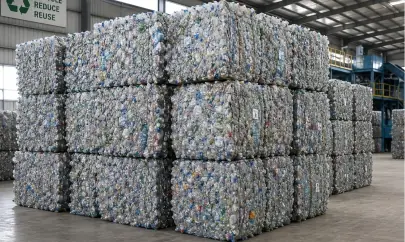
Baled bottles from verified suppliers feed the chain. Every bottle we make can come back.
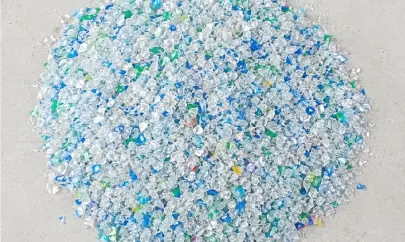
A washing line with advanced sorters and AI bottle sorting makes hot-washed, food-grade flakes, with zero liquid discharge.
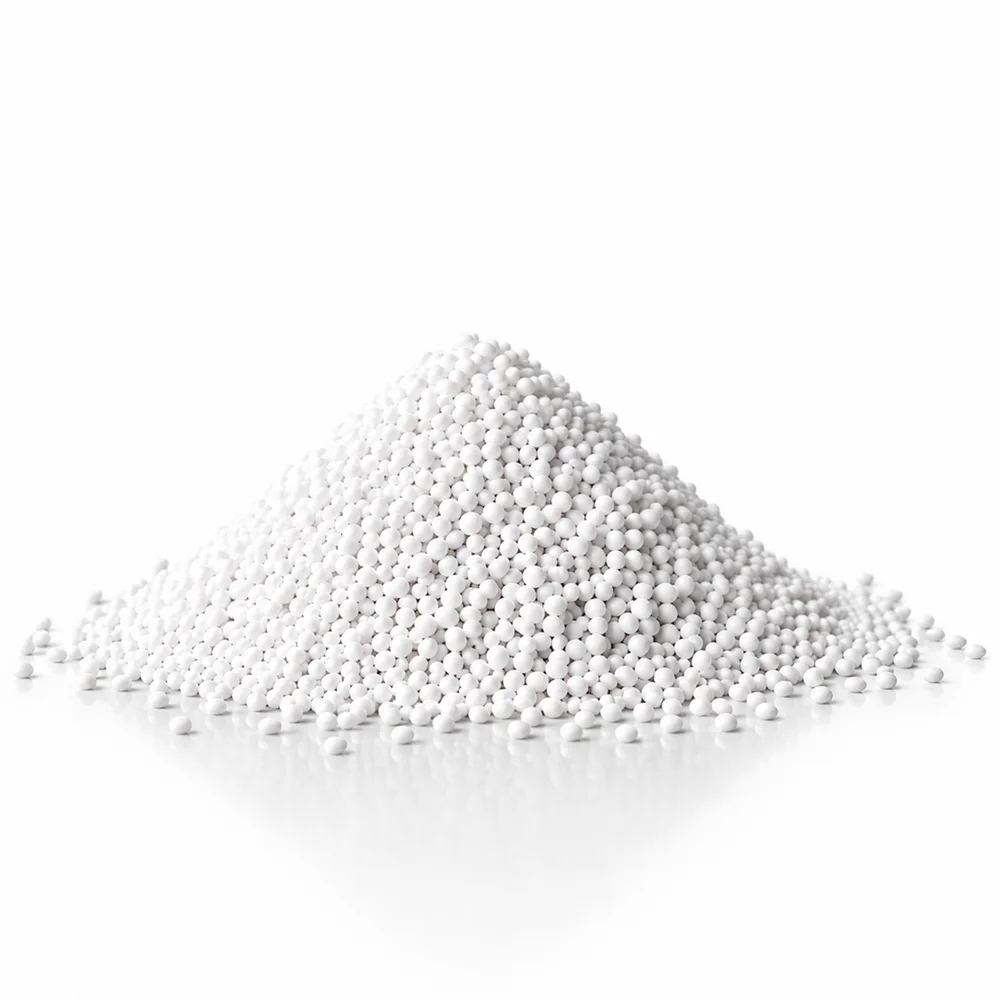
A Starlinger recoSTAR PET 165 art line restores bottle-grade viscosity. FSSAI authorised, EFSA registered and US FDA compliant.
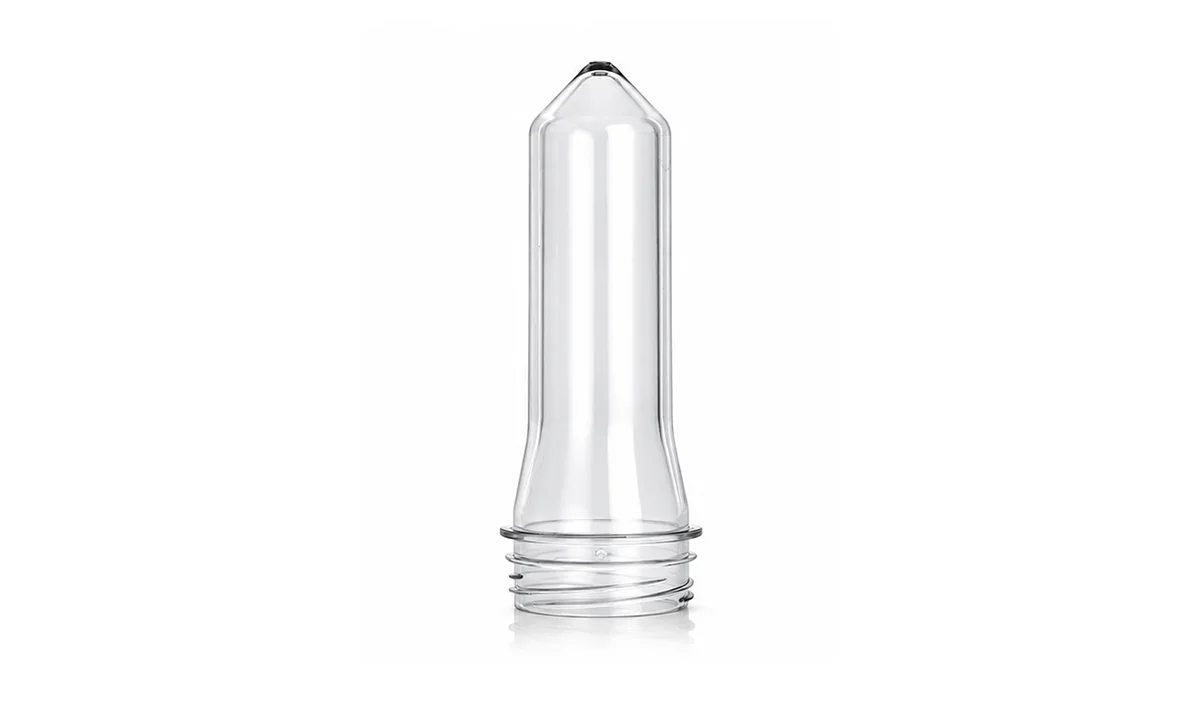
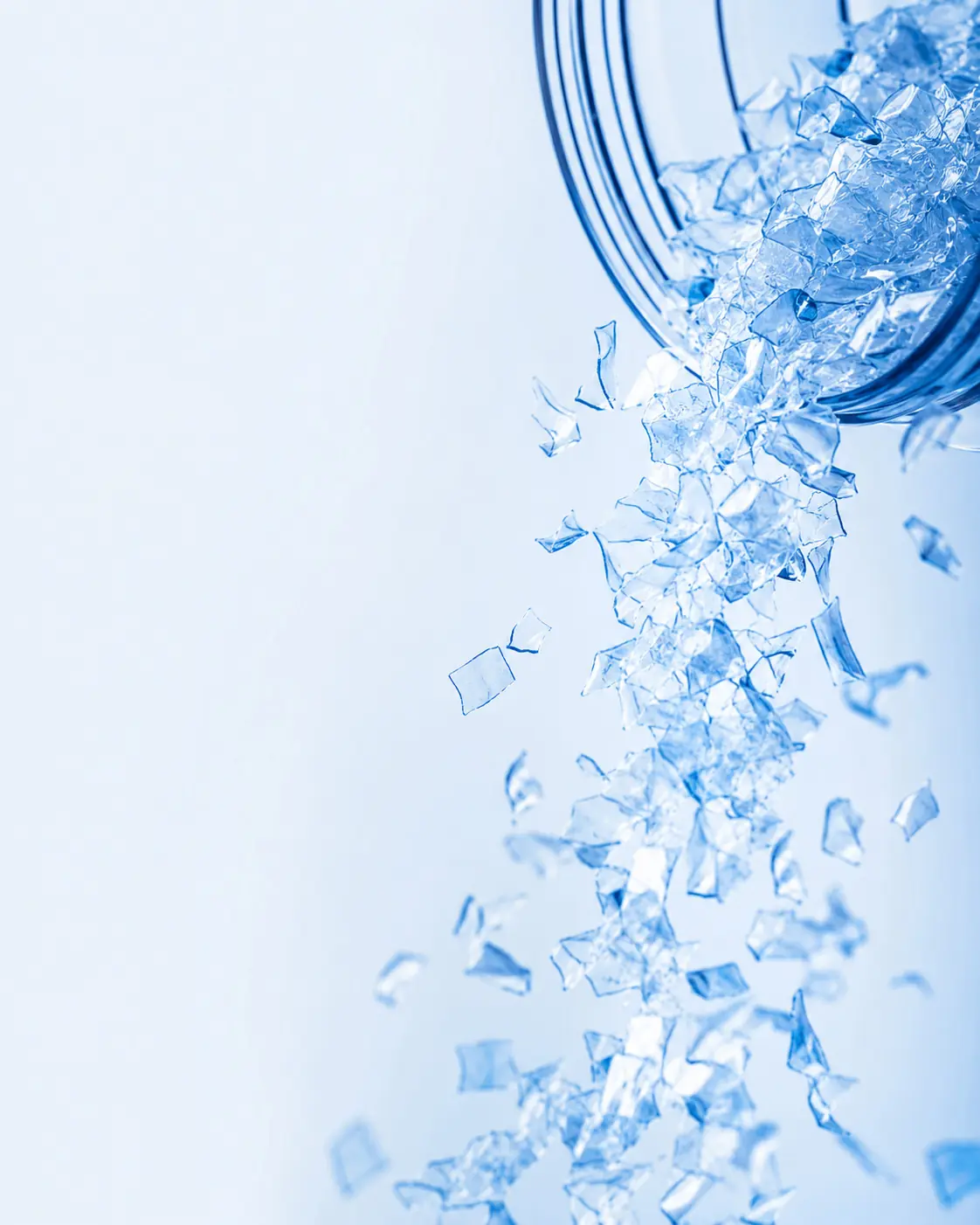
Granules return as PCR preforms, bottles and closures, and are woven into 100% rPET bags. Used, collected, and round again.
Under the Plastic Waste Management Rules, 2022 (as amended), recycled-content requirements for rigid plastic packaging increase progressively from FY26, with shortfall penalties of ₹5,000, ₹10,000 and ₹20,000 per tonne for a first, second and third violation.
Chemco holds FSSAI authorisation and 15,120 MTPA of food-grade rPET granulation capacity, supplied by 22,000 MTPA of captive flakes. Output is prioritised for internal use, securing our customers’ recycled-content requirements first.
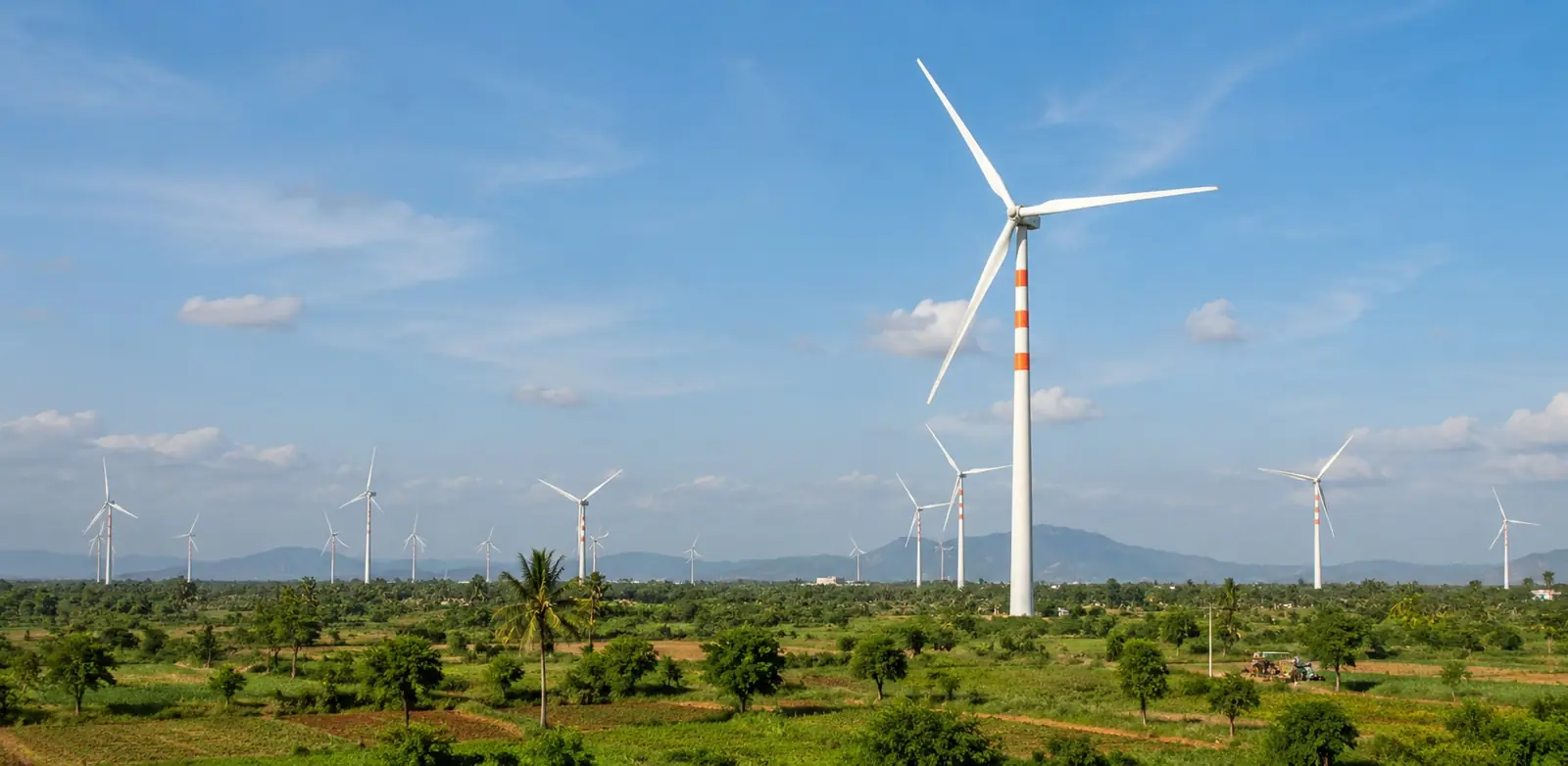
Investment in wind and solar for our Gujarat facilities through a renewable power SPV and rooftop solar, contracted under long-term agreements.
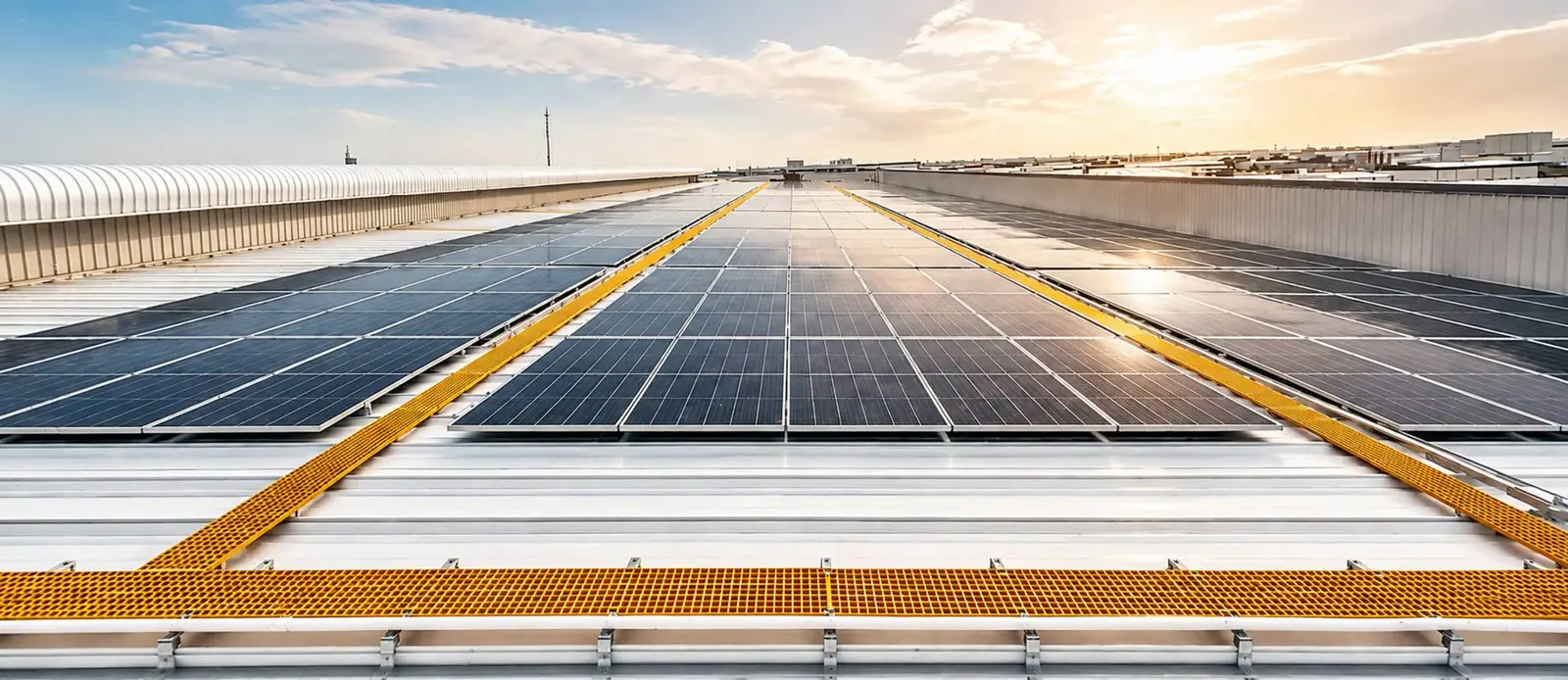
Efficient drives, servo machines and heat recovery cut energy per tonne, with short-term open access for green power wherever feasible.
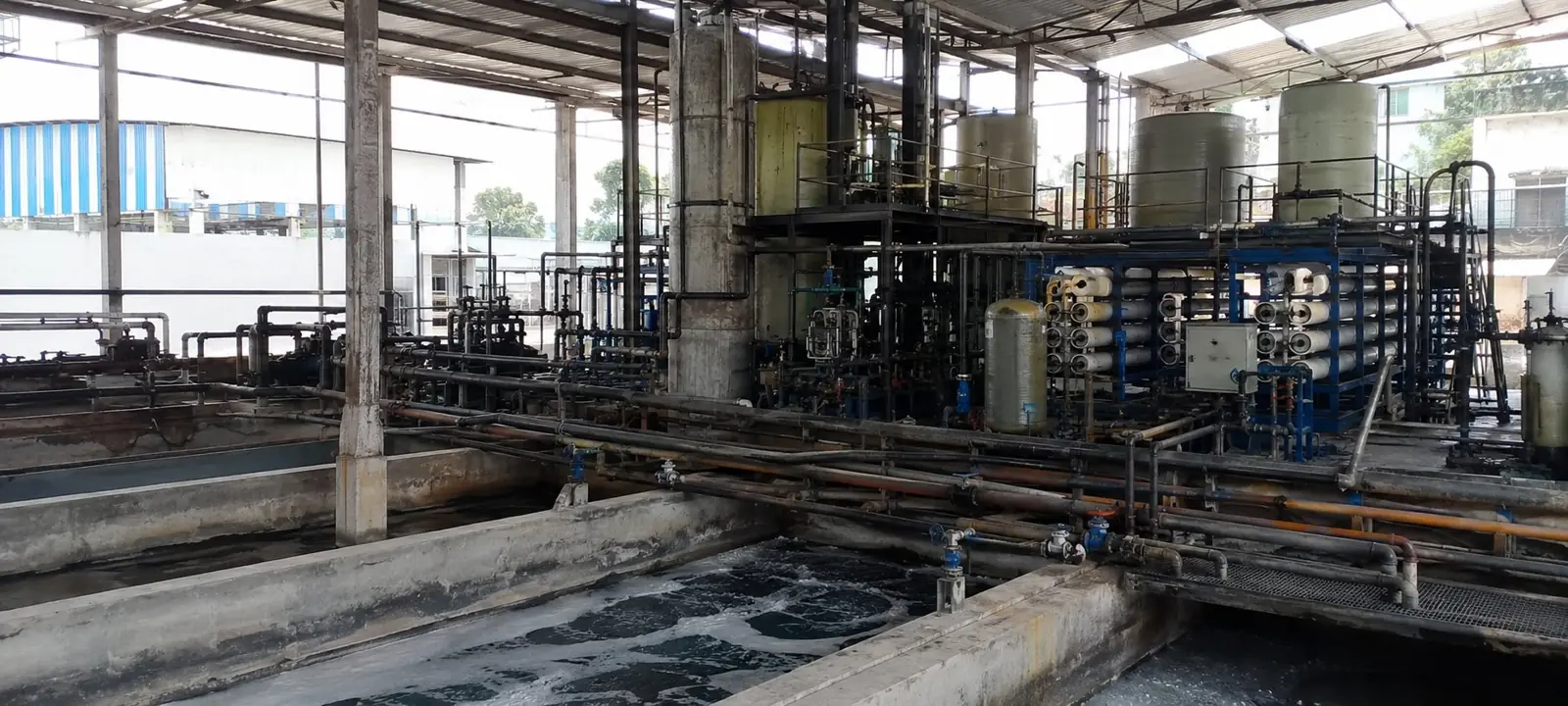
Every plant runs effluent treatment with reverse osmosis and a sewage treatment plant; treated water is reused on site, not discharged. Our recycling unit runs zero liquid discharge.
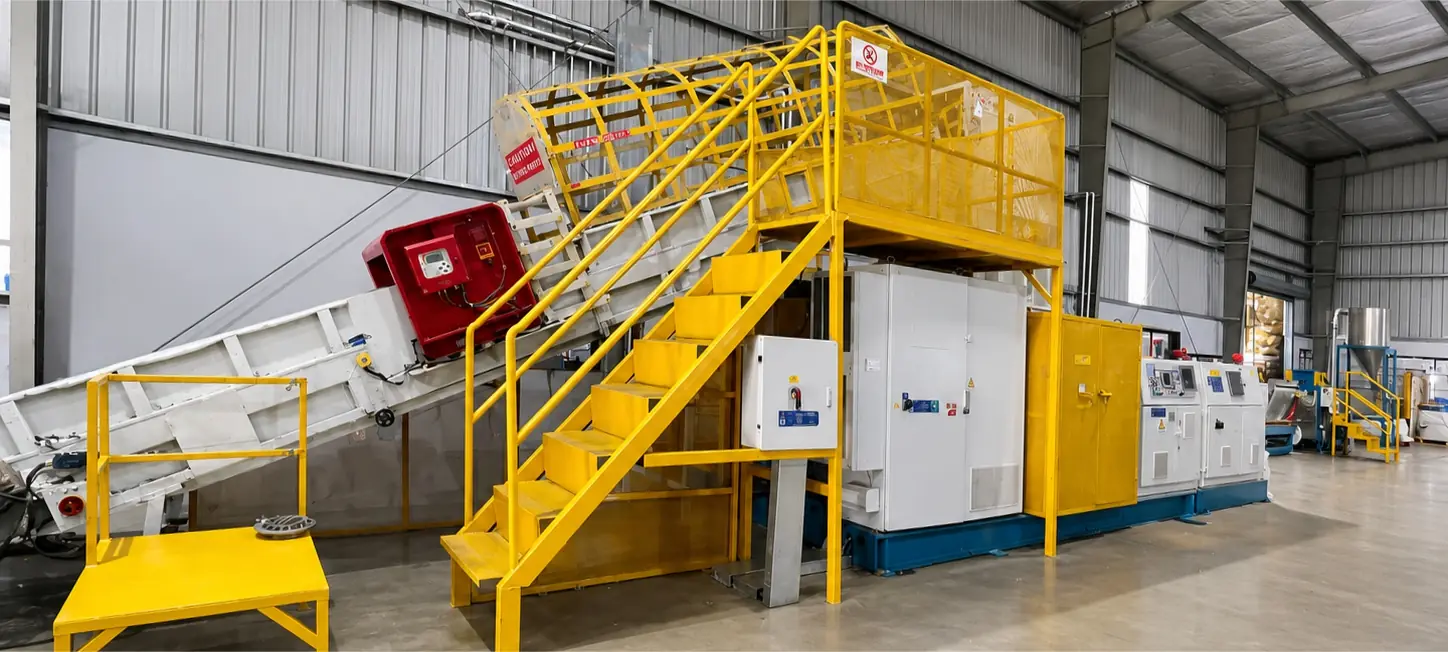
In-plant granulation returns trimmings, purgings and rejections to production. Post-industrial polyolefin waste is recycled, and lightweighting reduces material use.
Regular contributions support community-led waste collection, recycling and responsible waste management, diverting waste from landfills.
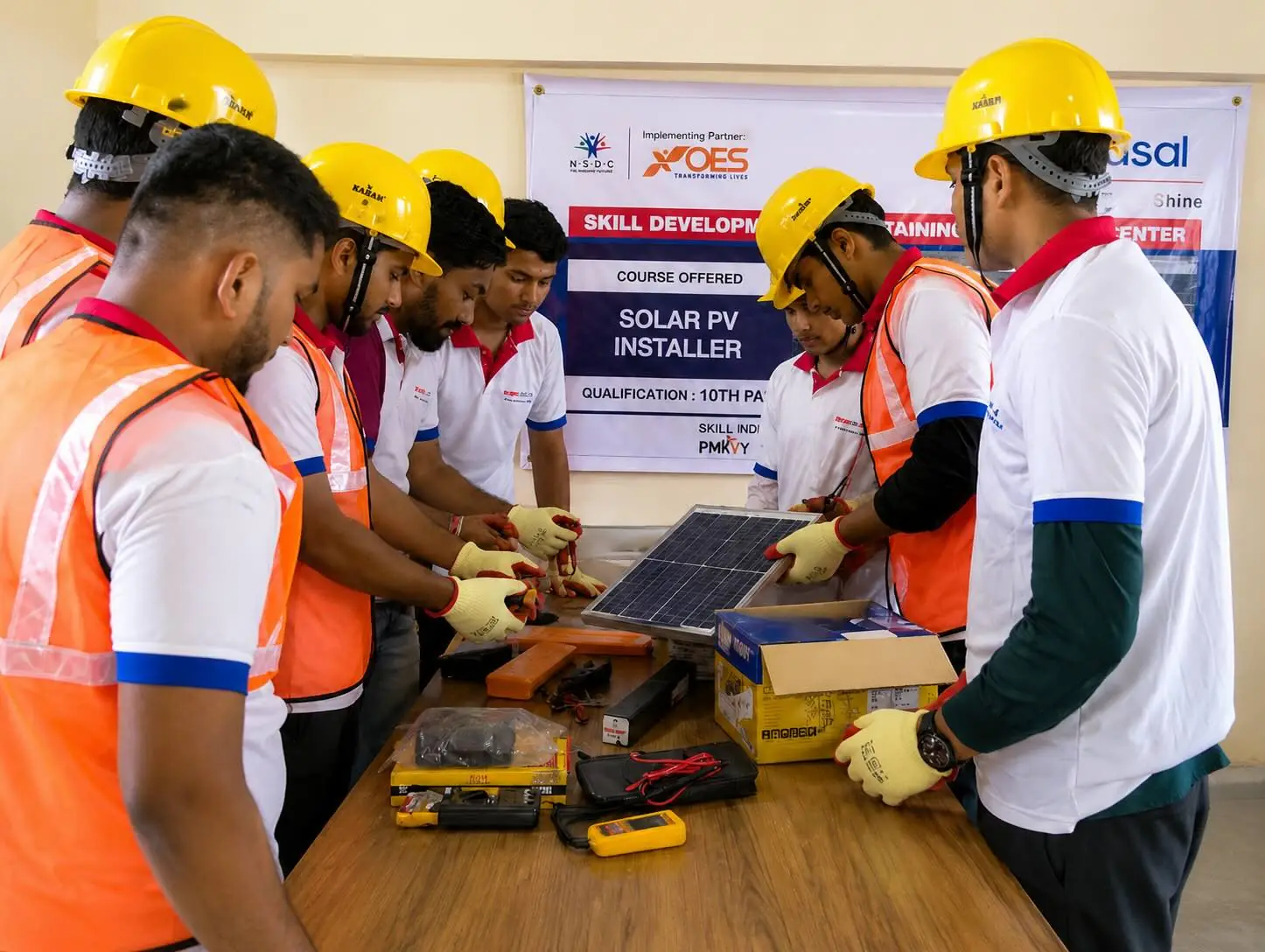
Support for an NCVET-recognised Awarding Body that has equipped 135,000+ youth across 29 states with vocational skills.
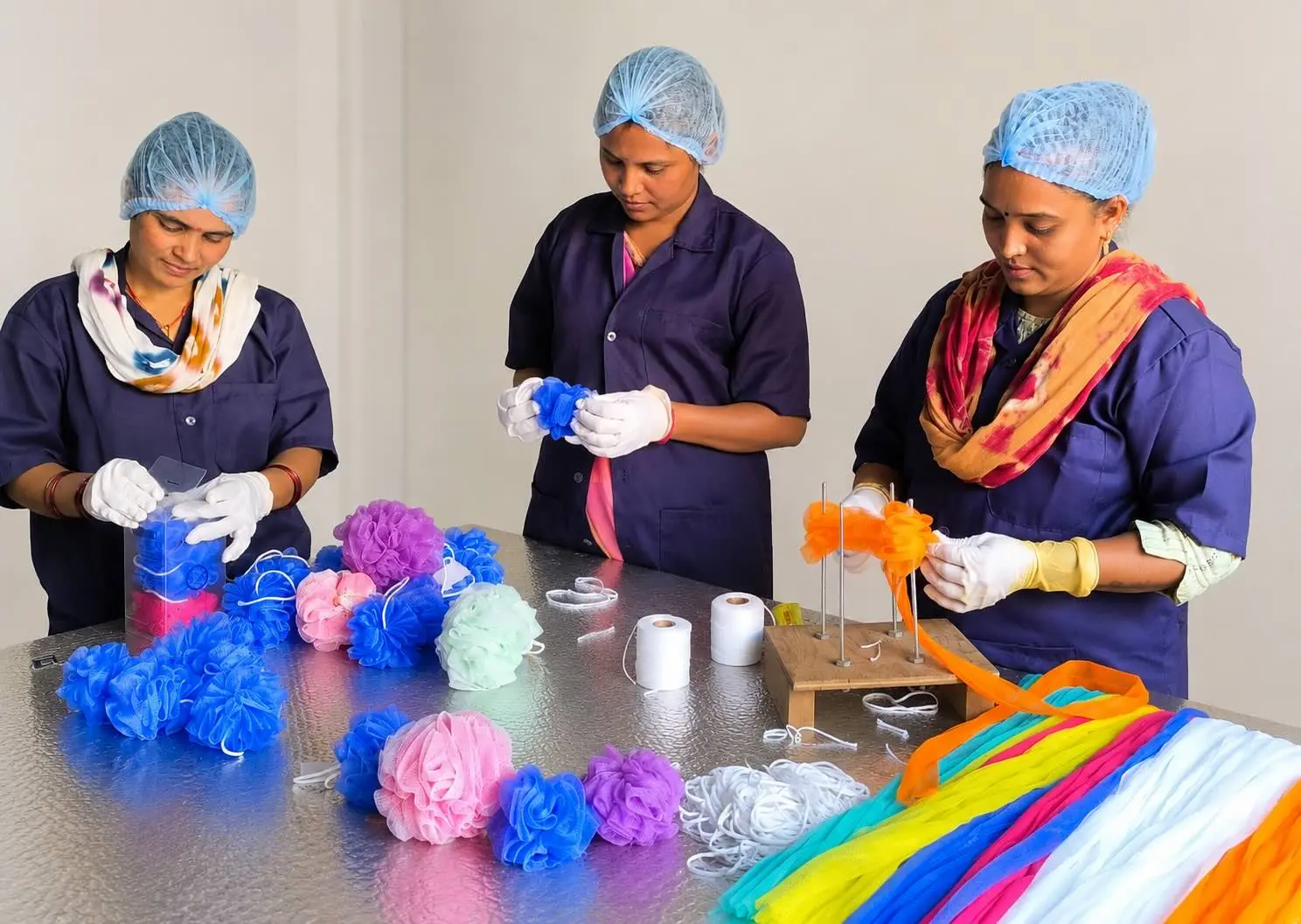
Loofah processing is run entirely by workers from neighbouring villages, building skills and independent livelihoods for rural women.
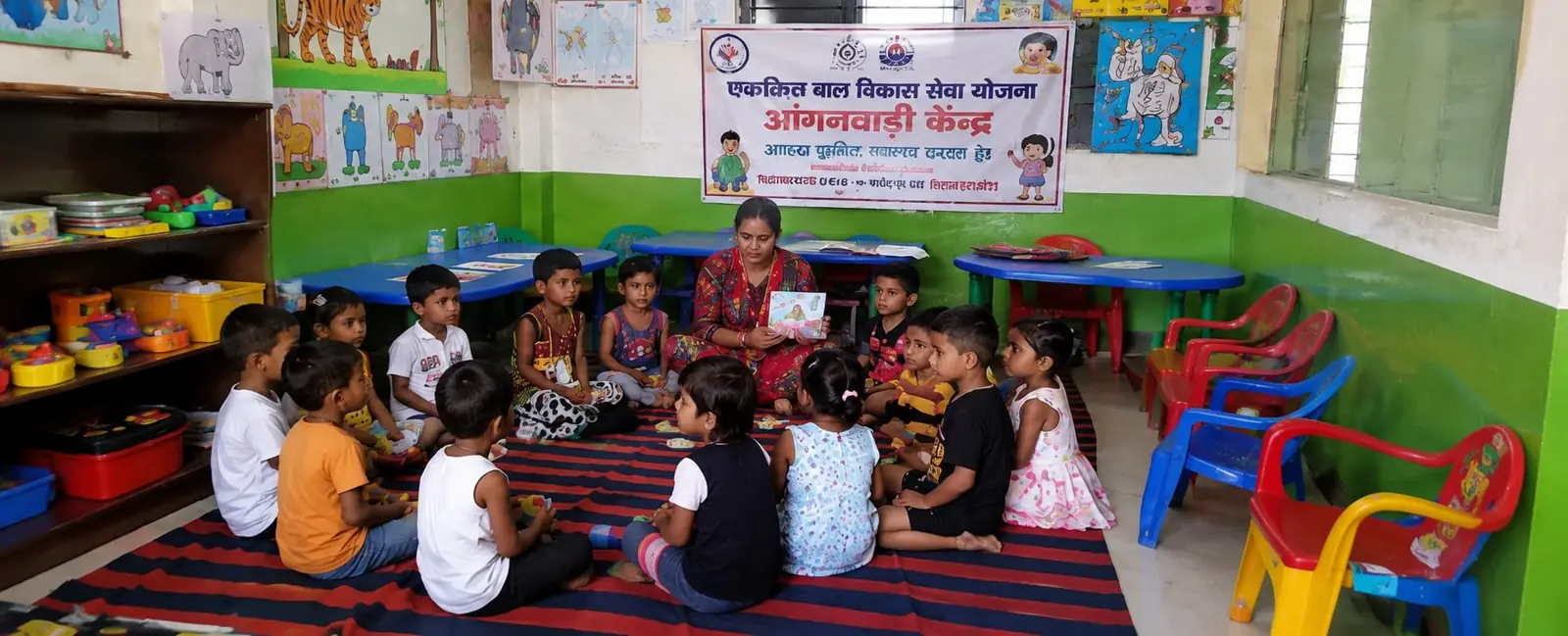
Centres set up with local authorities under the ICDS scheme provide nutrition, early education and day-care, supporting working mothers.
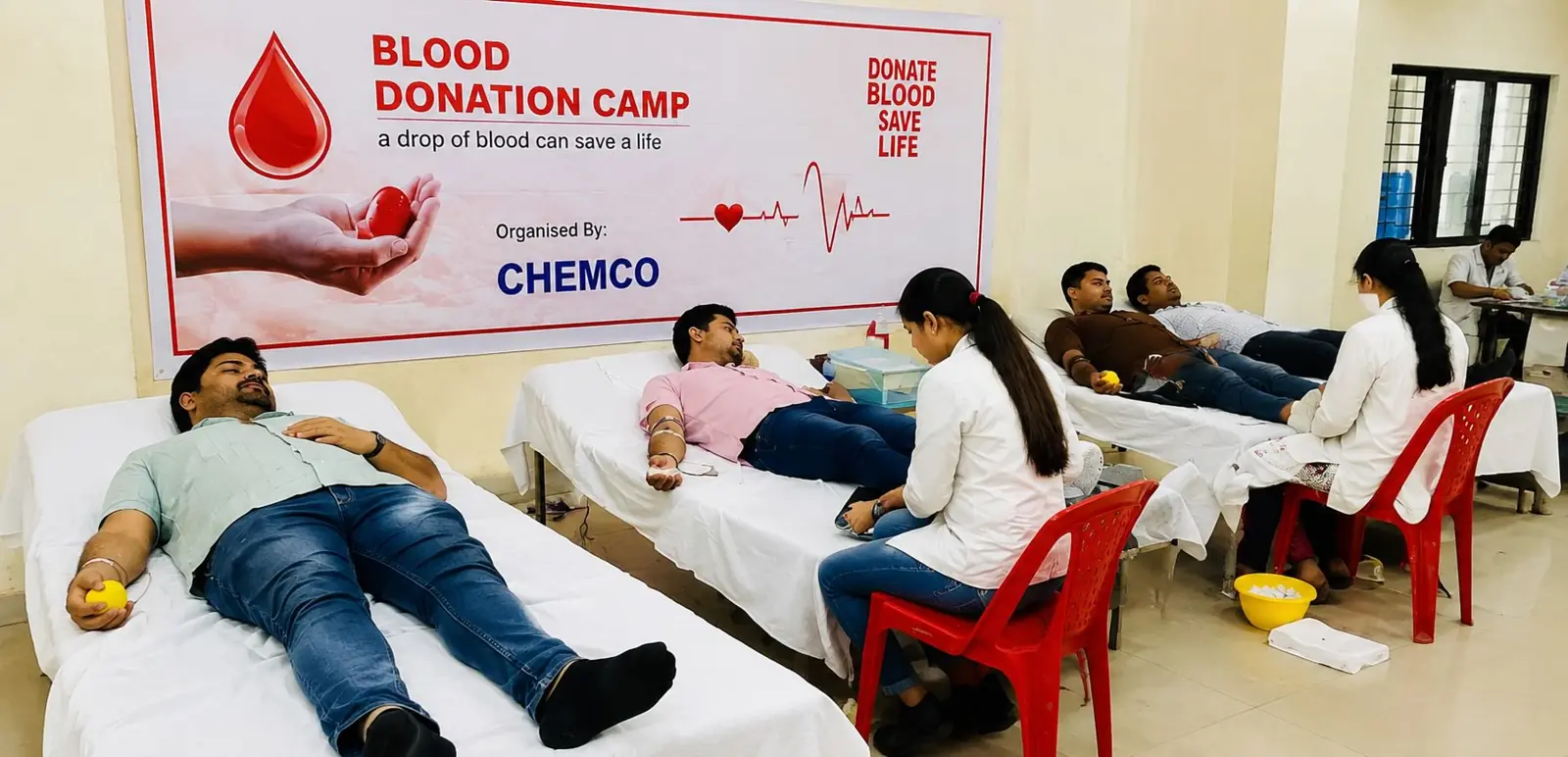
Regular camps across Chemco facilities support local blood banks and hospitals, with active participation from our teams.
Our recycling business also has its own website: chemcorpet.com.